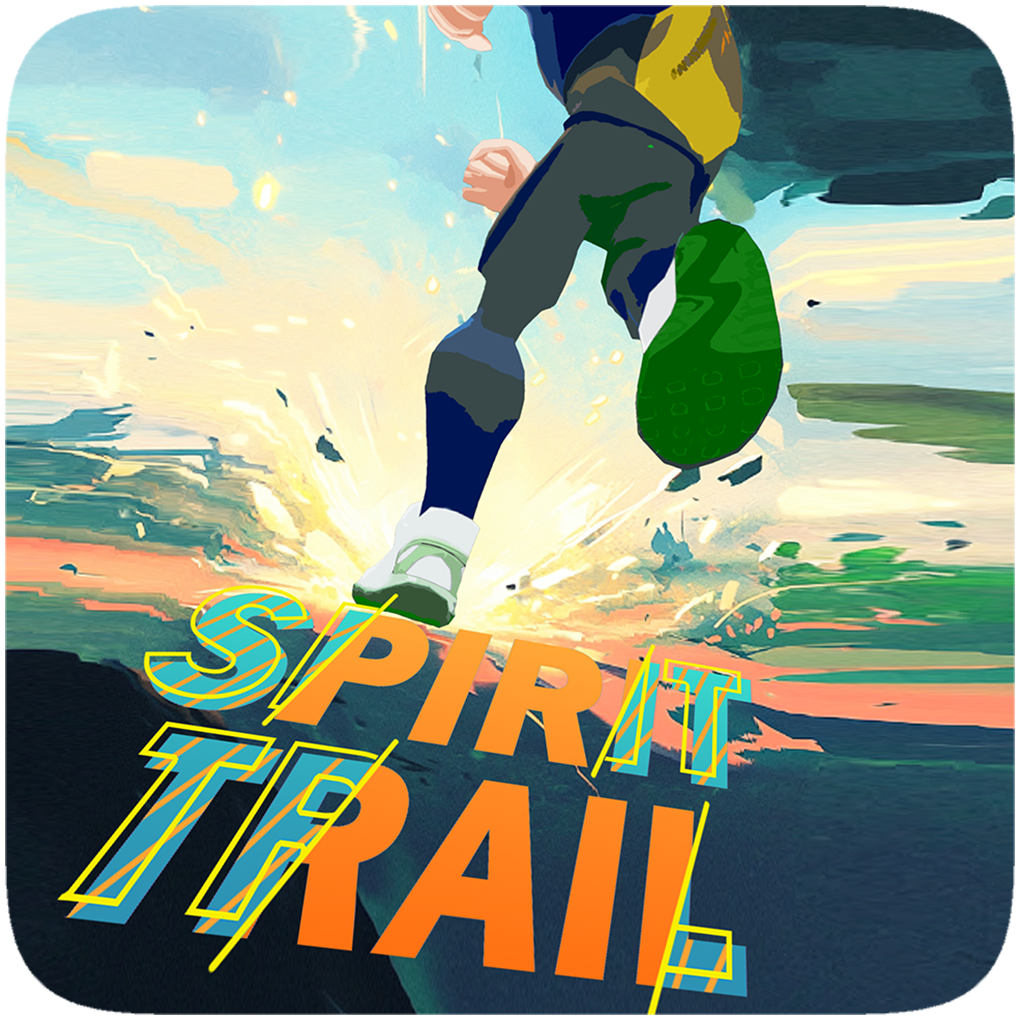

After a first successful experience with Shaman Trail, Studio PixelPocket (formerly Zandoli Interactive) returns with Spirit Trail, a natural evolution of their debut game: richer, more ambitious, and more polished.
Still developed using Unity, this second title marks a clear progression for the studio and confirms its commitment to delivering accessible and engaging gaming experiences.
A Refined and Expanded Concept
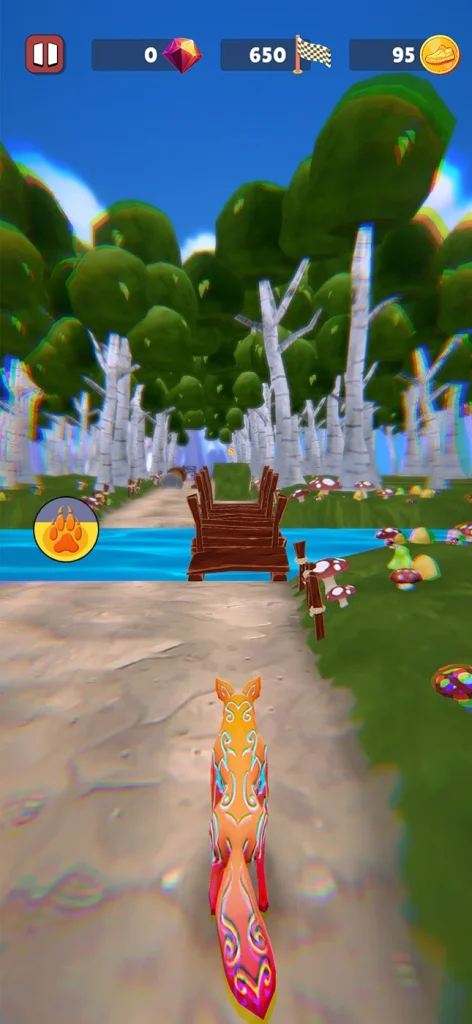
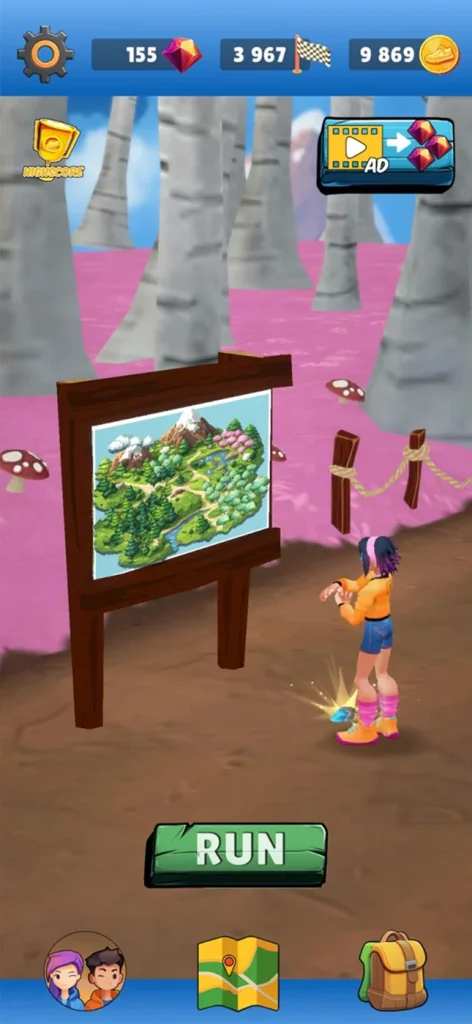
Following the path set by Shaman Trail, Spirit Trail offers fast-paced runner gameplay where players must dodge obstacles, jump, slide, and switch lanes to go as far as possible.
This time, however, the experience is more diverse, and filled with new features:
- Multiple playable characters, each with their own spirit animal that they transform into during gameplay, giving each run a distinct visual flair;
- Varied environments to unlock as players progress;
- Two types of collectible resources, coins and gems, used to unlock new characters and levels;
- An integrated shop, allowing players to purchase characters, gems, or coins;
- An online leaderboard, showcasing the highest scores among all players;
- And a new advertising-based monetization system, combining standard ads and rewarded ads that players can voluntarily watch to earn additional coins or gems.
A Creative and Technical Collaboration
As with Shaman Trail, Spirit Trail was built through a strong creative partnership:
Studio PixelPocket handled the artistic direction, design, and visual assets, while GKA Digital took care of the full programming and resource integration.
Available on Mobile
Spirit Trail is now available on mobile platforms:
A colorful universe with unique characters await you in this new runner from Studio PixelPocket.